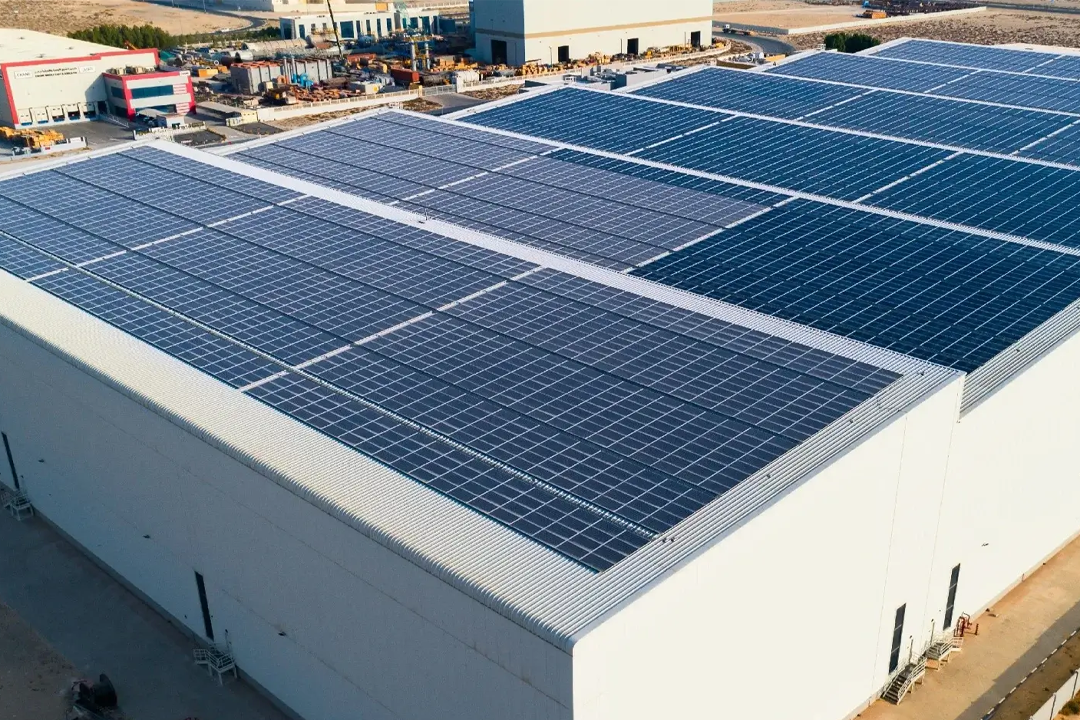
Warehouses look like the perfect place for solar: acres of flat roof, few obstructions, and steady daytime power use. In many cases, they are. But the roof is a structural system, not just open square footage, and the decisions made before a single panel arrives determine whether a warehouse solar project pays off. Here is what Ohio building owners should understand before they commit.
Why Warehouses Make Strong Solar Candidates
Large distribution and storage buildings use most of their power during daylight hours, when lighting, dock equipment, conveyors, HVAC, and forklift charging all run at once. That load lines up with when solar produces, so more of the energy generated is used on site instead of exported to the grid. Wide, unshaded roofs also let you install large arrays on a single meter, spreading design and installation costs across more capacity and lowering the cost per watt.
Start With the Roof, Not the Panels
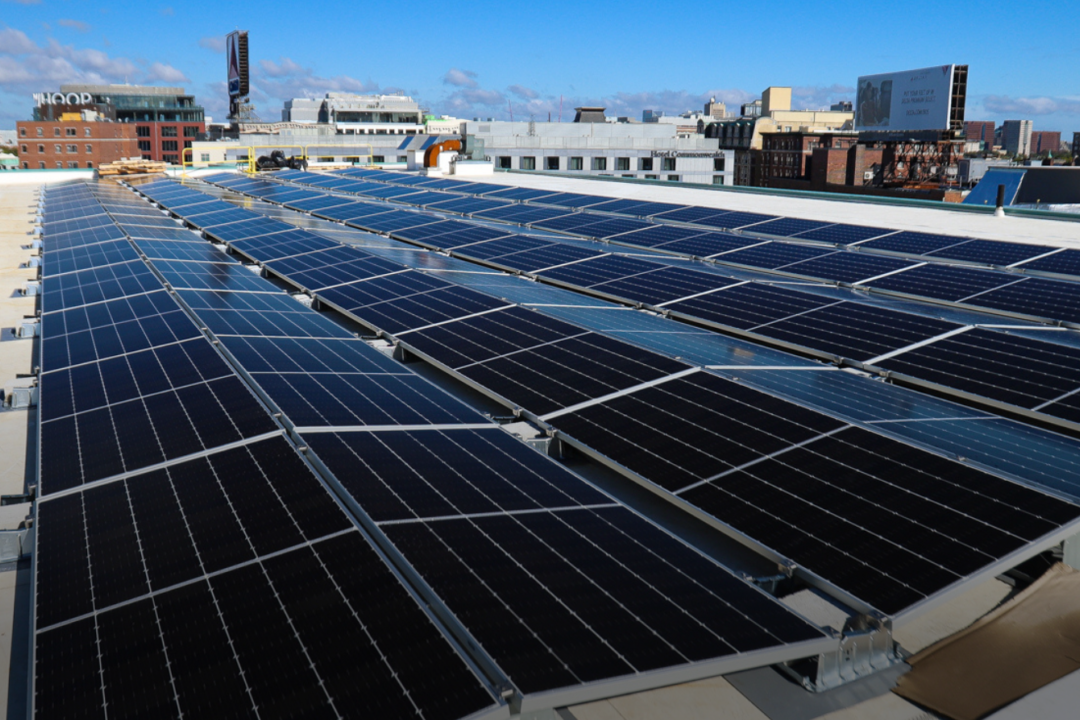
Commercial rooftop solar succeeds or fails on structure. Many warehouses are built with lightweight steel joists designed close to their required snow load, and Ohio winters make that margin important. On flat membrane roofs, ballasted racking avoids roof penetrations but adds weight, while mechanically attached systems weigh less but require sealed penetrations. Standing-seam metal roofs are often the easiest, since clamps grip the seams without drilling.
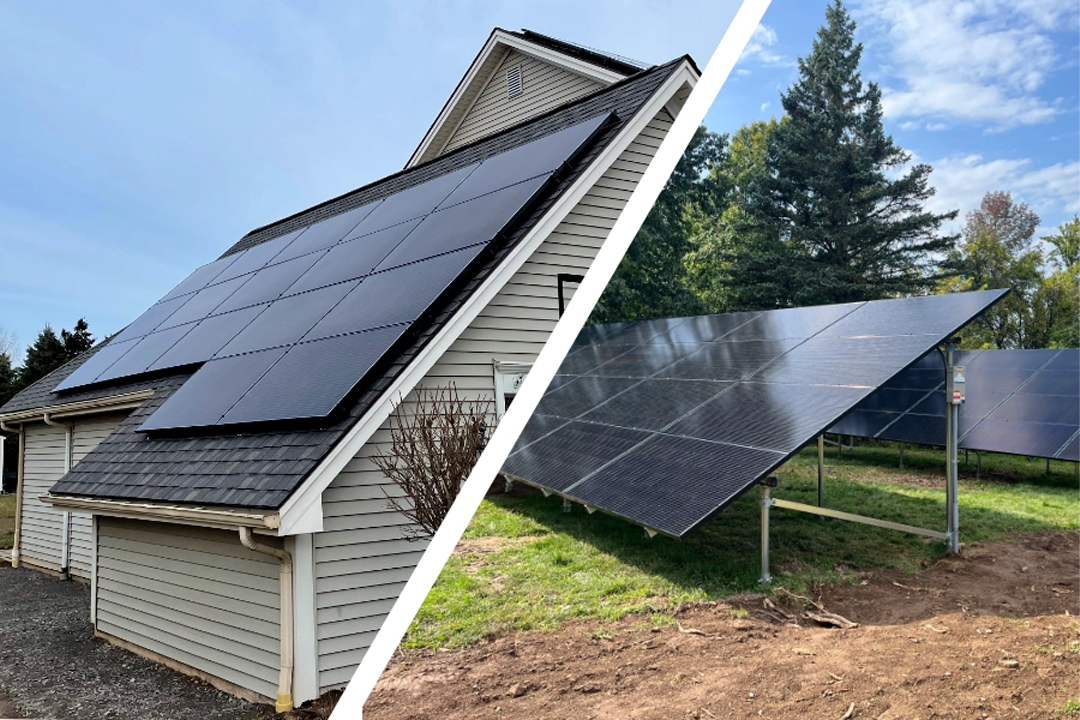
A structural engineer should confirm the roof can carry the added load before finalizing the design. Roof age matters just as much. If the membrane is near the end of its life, replace it first to avoid paying to remove and reinstall the array later. When the roof cannot support solar, a ground-mounted array or parking canopy can deliver the same savings.
How Many Panels Does a Warehouse Need?
Sizing starts with your utility bills, not a panel count. In Ohio, each kilowatt of solar typically produces roughly 1,100 to 1,250 kilowatt-hours per year, depending on location, tilt, and shading. A warehouse using 600,000 kWh annually would need about 500 kW to offset most of that use, or roughly 1,100 panels at 450 watts each.
That array would generally require 40,000 to 50,000 square feet of usable roof space, including fire setbacks and walkways. For many buildings, available roof space, not energy demand, ends up setting the system’s final size.
What Does Warehouse Solar Cost?
National benchmarks from SEIA and Wood Mackenzie put average commercial solar pricing at about $1.70 to $1.80 per watt before incentives in 2026. At that rate, a 500 kW system would land in the high six figures, though Ohio quotes vary with structural upgrades, roof replacement, utility interconnection work, and equipment choices.
For industrial solar in Ohio, pay close attention to demand charges. Solar lowers energy consumption, but a cloudy afternoon can still produce a peak that sets your monthly demand charge. Pairing the array with battery storage can help shave those peaks.
Timing now matters for incentives. Under current federal law, commercial projects that did not begin construction by July 4, 2026, must be placed in service by December 31, 2027, to claim the 30% investment tax credit. Systems under 1 MW can generally reach the full 30% without meeting prevailing wage and apprenticeship rules, and equipment sourcing requirements also apply. Review the details of the commercial solar tax credit with your tax advisor early, because the calendar is now part of the financial model.
How Long Does Installation Take?
On-site construction for a mid-size warehouse array often takes a few weeks. The full project runs longer: site assessment, structural review, design, permitting, and utility interconnection come first, followed by inspection and permission to operate. Interconnection with FirstEnergy, AEP Ohio, AES Ohio, or a municipal utility is frequently the longest step. Many commercial projects take several months from start to finish, so owners targeting the 2027 deadline should start planning now.
Choosing the Right Installer
The equipment on a warehouse roof matters less than the team engineering it. Experienced commercial solar installers in Ohio offer structural review, in-house design, project management, and utility coordination. Castle Energy has delivered turnkey renewable projects since 2008, built on two decades of construction experience, and handles each project from assessment through commissioning.
Frequently Asked Questions
Is solar panel installation suitable for warehouses and large commercial buildings? Yes, especially buildings with large, unshaded roofs and daytime operations, provided the roof structure can carry the load.
How many solar panels does a warehouse need? It depends on annual usage and roof space. A building using 600,000 kWh per year might need around 1,100 panels, roughly a 500 kW system.
How much does commercial solar installation cost for a warehouse? National averages run about $1.70 to $1.80 per watt before incentives, with final cost driven by structural, roofing, and interconnection needs.
How long does it take to install solar panels on a commercial building? Construction often takes a few weeks, while the full process, including permitting and utility approval, usually spans several months.
Can solar panels help reduce a warehouse’s electricity costs? Yes. Daytime operations use solar power as it is produced, and adding storage can also help reduce demand charges.