Commercial solar is no longer a fringe decision for Ohio businesses. Rising utility rates, corporate sustainability targets, and available tax incentives have moved solar from a nice-to-have to a straightforward financial calculation for many facilities. The harder question is not whether to go solar, but how to choose a system that actually fits how your building uses power. Here is a practical framework for Ohio facility owners weighing that choice.
Start With How Your Facility Uses Energy
The right system begins with your load, not a panel count. Pull twelve months of utility bills and look at two things: how much electricity you use, and when you use it. A warehouse with steady daytime operations has a very different profile from a facility running equipment around the clock or one with sharp summer cooling peaks. That usage pattern determines system size, whether battery storage earns its cost, and how much of your bill solar can realistically offset. Skipping this step is the most common reason a commercial system underperforms its projections.
Roof, Ground, or Canopy
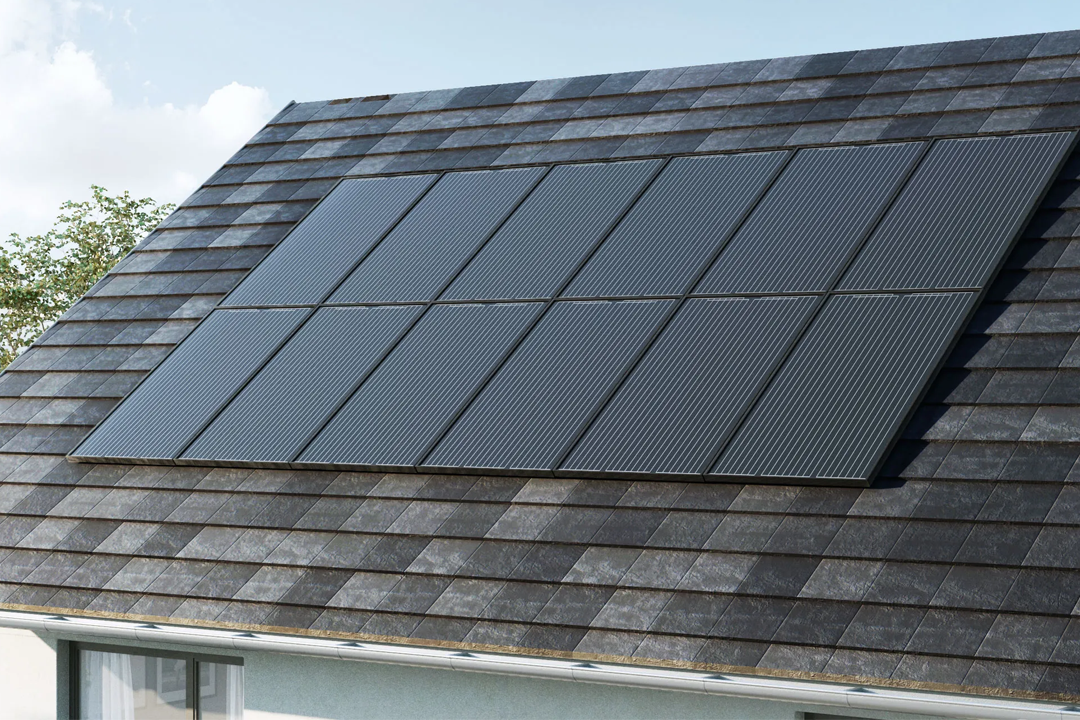
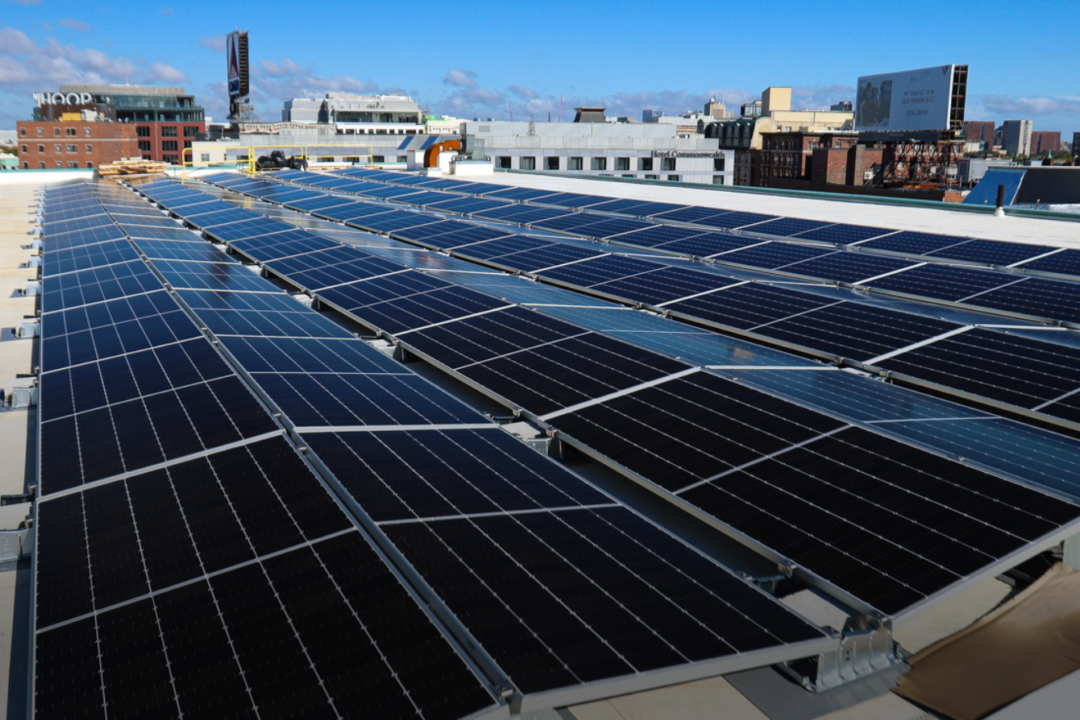
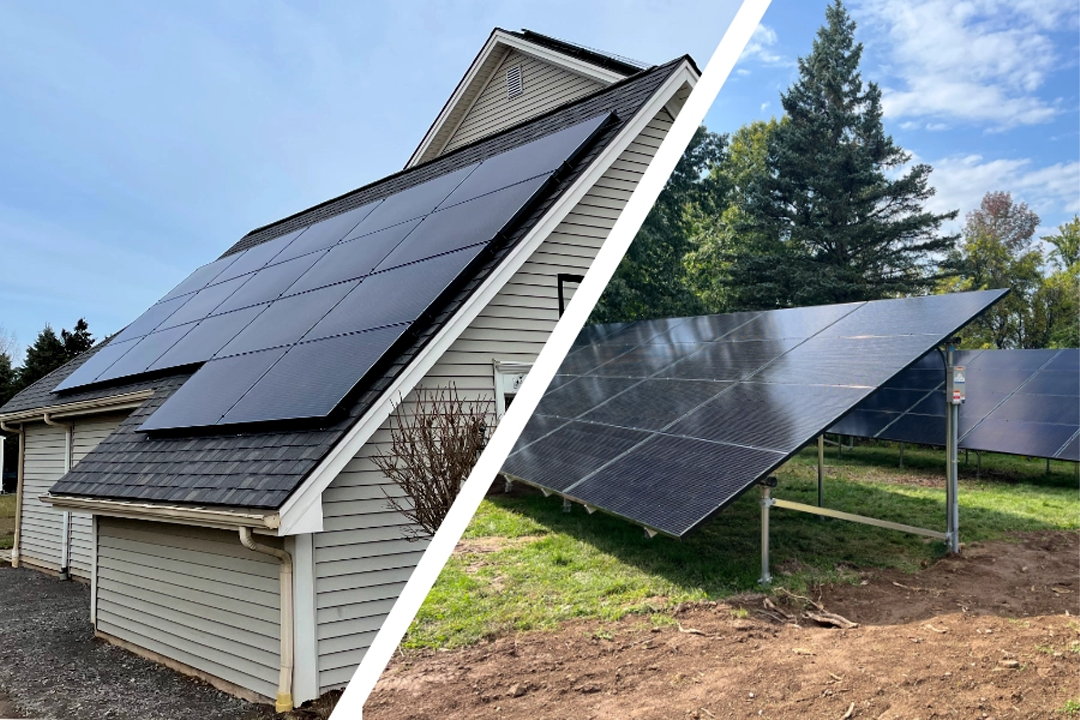
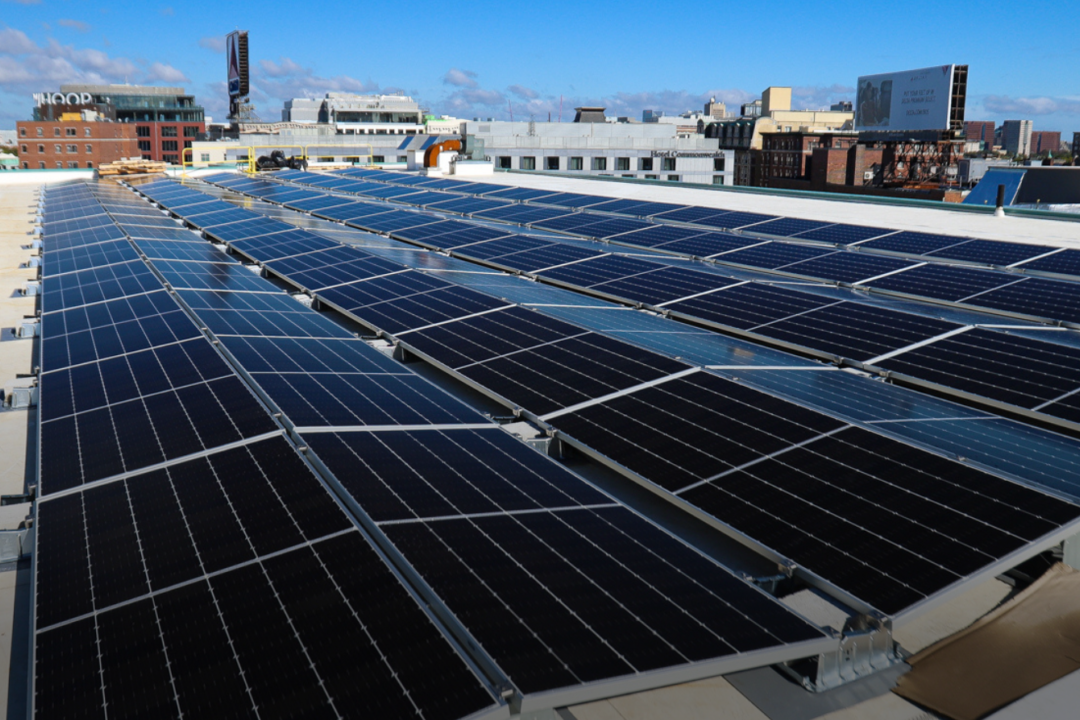
Where the array goes matters as much as how big it is; most Ohio commercial buildings have large flat roofs that suit rooftop arrays, but roof age and condition come first: it makes little sense to mount panels on a membrane you will replace in five years. If the roof is aging, budget for a reroof in the project or consider a ground-mounted array where land allows. Solar canopies over parking are a third option, adding covered spaces and visible sustainability while producing power. Ohio does see real seasonal swings, but the state gets enough usable sunlight for well-designed commercial arrays to perform reliably year-round. A good installer evaluates all three mounting options against your site rather than defaulting to the roof.
Size for Today and Tomorrow
Oversizing wastes capital; undersizing leaves savings on the table and forces an awkward expansion later. The goal is to match production to the share of your load that makes financial sense, accounting for any planned growth, added equipment, or future electric vehicle charging. Ohio net metering rules and your utility’s specific tariff shape this math, so the sizing should be built around your actual rate structure, not a generic estimate.
Understand the Financials and Incentives
Commercial solar pencils out differently depending on how you pay for it. A direct purchase delivers the strongest long-term return, while loans and leases spread the cost and preserve working capital. The federal commercial solar tax credit remains a major driver of project economics, and depreciation benefits can further shorten payback for eligible businesses. Because incentive programs and their timelines change, confirm current eligibility with your installer and tax advisor before finalizing numbers. Treat financing as part of the design, not a formality bolted on at the end, because the funding structure often changes as system size and mounting approach make the most sense.
Choose an Installer Who Sees It Through
The equipment matters less than the team behind it. Commercial projects involve structural review, utility interconnection, and local permitting, and a dropped ball at any stage delays the entire timeline. Look for an installer with genuine commercial experience in Ohio, a turnkey process that keeps assessment through commissioning under one roof, and a track record across facilities like yours. An experienced Ohio commercial solar provider such as Castle Energy handles the full scope, from load analysis and system design to permitting and interconnection, which keeps accountability in one place rather than split across vendors.
What’s next?
The best commercial solar system is the one engineered around your building’s real energy profile, roof condition, rate structure, and growth plans, not a template dropped onto your roof. Ohio facilities that start with a careful load analysis and a clear financing plan consistently see better returns than those that shop on panel price alone. Get the assessment right, and the rest of the decision becomes far simpler.