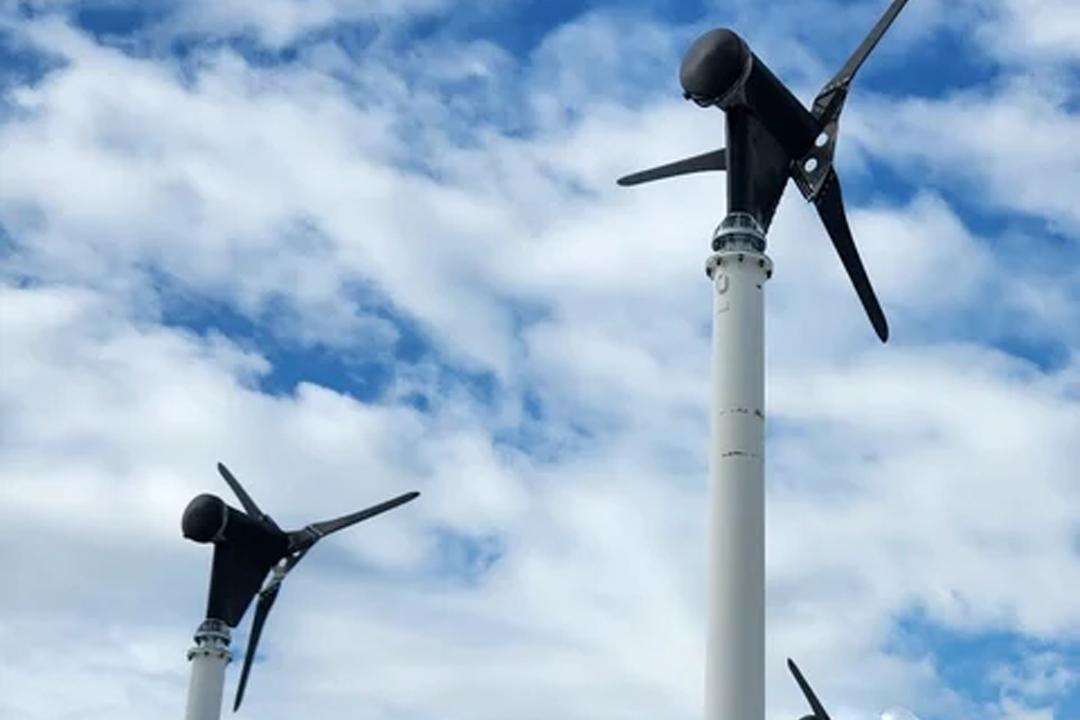
Most renewable energy conversations in Ohio focus on solar—and for good reason. Solar is predictable, scalable, and well understood. But for homeowners with the right property and wind resource, small wind can be a strong complement or even an alternative to rooftop panels. The Skystream wind turbine is one of the few residential-scale systems designed to simplify that process.
Designed for Practical Residential Use
The Skystream turbine stands out because it produces 240V, 60Hz power directly from the unit. That means the grid-compatible AC output is generated right at the turbine. Unlike many small wind systems that require external inverters, rectifiers, or complex control equipment, Skystream integrates its power electronics internally.
For homeowners, that simplifies installation. With fewer external components, there are fewer failure points and less wall-mounted equipment to manage. The turbine connects more directly into a home’s electrical system (subject to local code and utility interconnection requirements), reducing system complexity compared to traditional small wind setups.
This integrated design is one reason Skystream has been widely used in residential and light commercial applications.
The Importance of Proper Site Conditions
Wind energy is highly site-specific. Before considering a turbine, two factors are critical:
- Adequate Land Area
A small wind turbine requires open space. In most cases, homeowners should have several acres available. The turbine must be installed on a tower high enough to clear obstructions such as trees and buildings. Wind speed increases significantly with height, and turbulence caused by nearby structures can reduce performance and increase wear.
As a rule, the turbine should be installed at least 30 feet above any obstacle within 300 feet of the tower.
- Sufficient Average Wind Speed
Wind systems only make financial sense in areas with consistent wind resources. A minimum average wind speed of approximately 15 mph is generally considered the threshold for viable residential wind production. Below that level, energy output drops significantly.
Parts of rural Ohio—particularly open farmland and elevated terrain—can meet this requirement. However, a formal wind assessment or review of regional wind maps should be completed before installation.
Without proper wind speed and siting, even the best turbine will underperform.
How Wind and Solar Can Work Together
Wind and solar resources often complement each other. Solar panels produce the most energy on clear summer days. Wind turbines frequently generate more power during cloudy conditions, overnight hours, and winter months—when solar production declines.
By combining both technologies, homeowners can create a more balanced renewable energy profile.
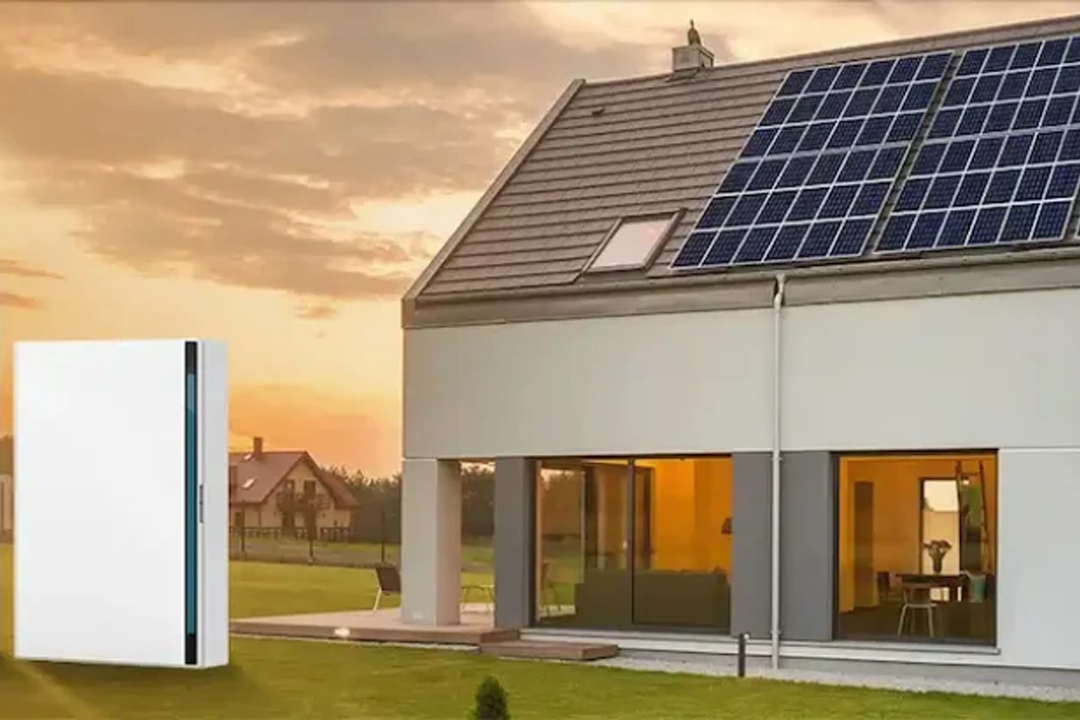
A hybrid system can be structured around a Sol-Ark hybrid inverter with battery storage. In this configuration:
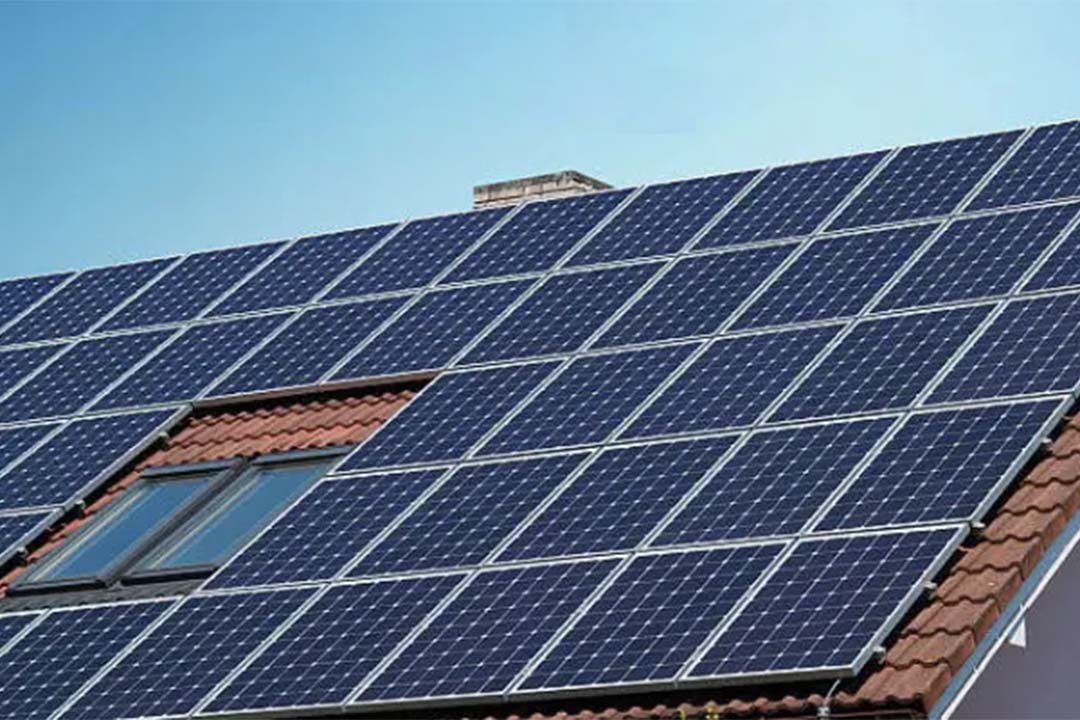
- Solar panels feed DC power into the inverter.
- The Skystream turbine provides 240V AC power.
- The Sol-Ark inverter manages battery charging, load control, and grid interaction.
- Batteries store excess production from both wind and solar.
With battery storage in place, the home can store overnight wind production or midday solar production and use it during peak rate periods or outages. The inverter coordinates these inputs, prioritizing self-consumption and managing when energy is stored or discharged.
This approach increases overall system utilization and reduces dependence on a single resource.
Resilience and Long-Term Planning
For rural Ohio properties, wind energy can also enhance resilience. In winter storms or extended cloudy periods, wind may continue producing when solar output is limited. Paired with battery storage, this diversification can extend backup duration.
That said, small wind requires realistic expectations. Towers must be engineered correctly. Foundations must meet frost-depth requirements. Regular maintenance inspections are necessary. Zoning and setback rules must be reviewed carefully.
When properly sited and installed, however, a Skystream turbine offers a straightforward way to harness Ohio’s wind resource—delivering grid-compatible 240V, 60Hz power directly from the turbine without the need for separate external inverters.
Is Skystream Right for Every Property?
No renewable system fits every home. Skystream is best suited for:
- Rural properties with several open acres
- Verified average wind speeds of 15 mph or higher
- Minimal nearby obstructions
- Homeowners interested in hybrid wind and solar integration
For the right site, small wind can move from being a niche technology to a practical long-term energy asset. When combined with solar panels, a Sol-Ark hybrid inverter, and battery storage, it becomes part of a diversified renewable energy strategy designed around both performance and resilience.