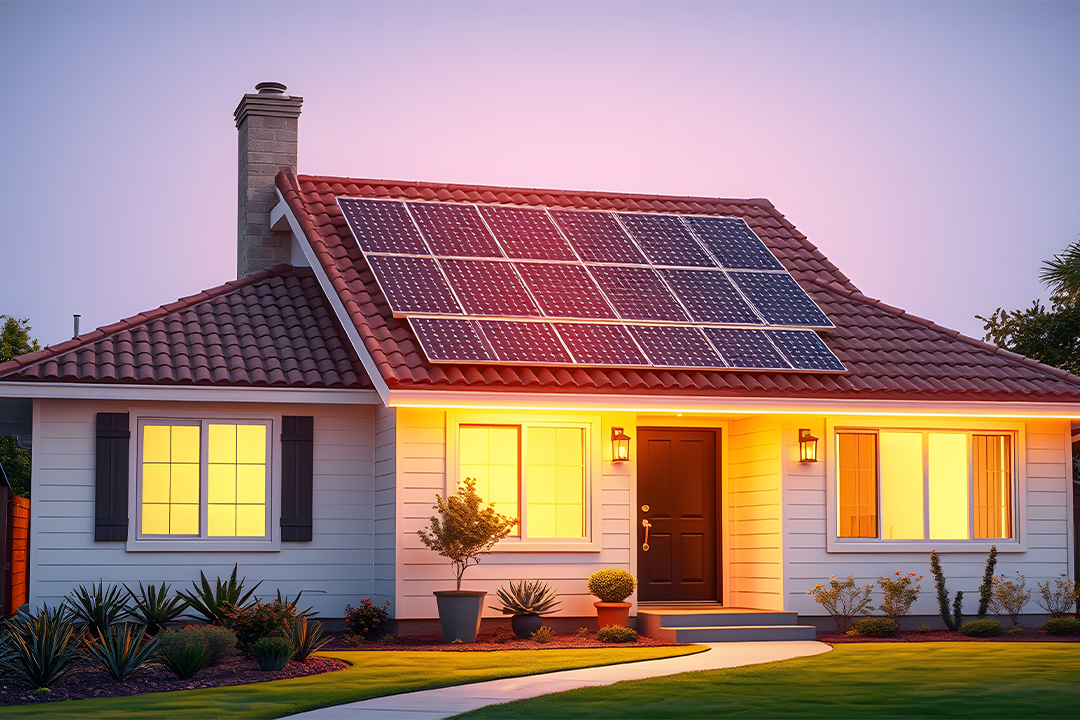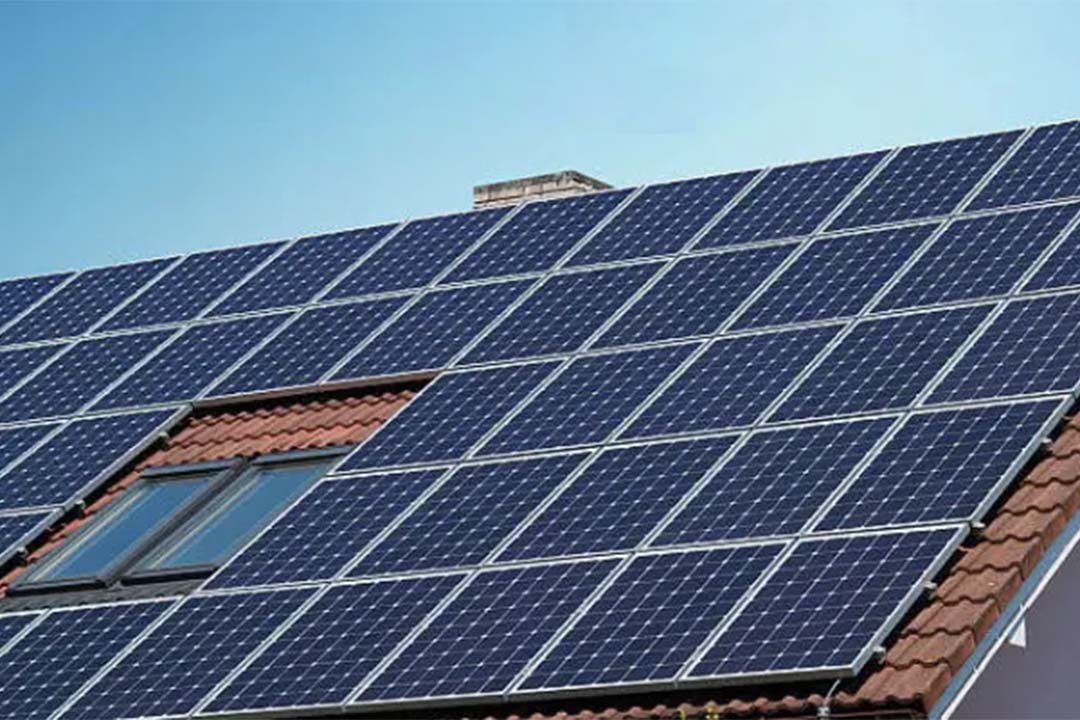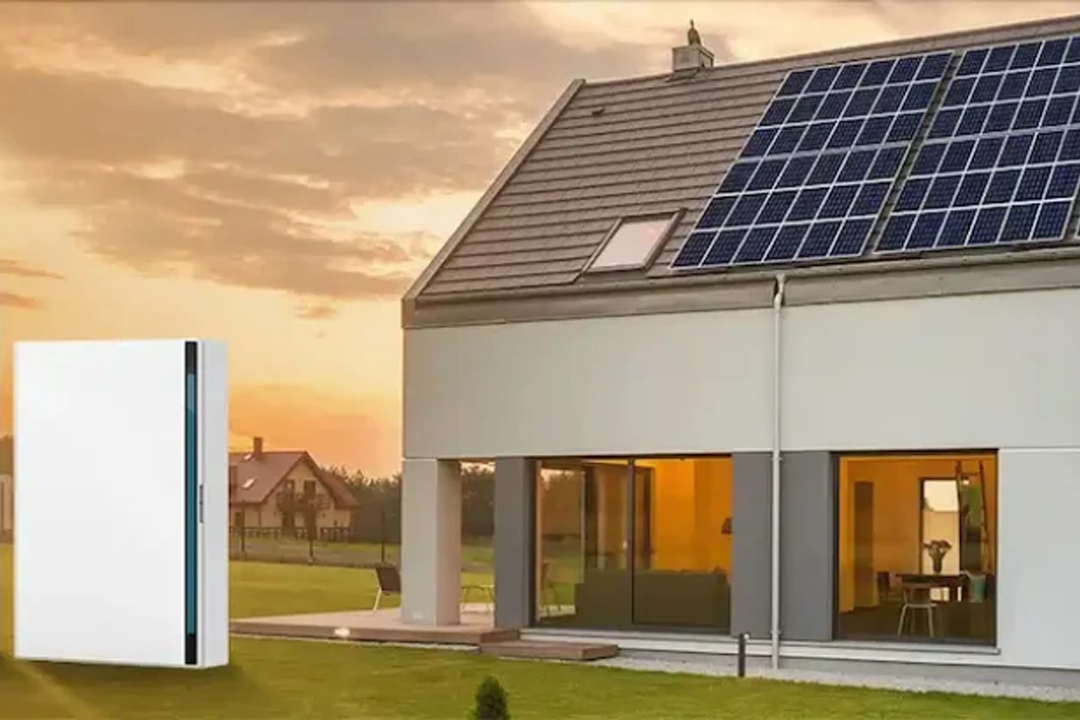
Residential solar has traditionally been viewed as a way to offset daytime electricity use. While that remains true, the addition of battery storage changes how a home interacts with the grid. Instead of simply generating power during the day and exporting excess energy, homeowners can store electricity and use it strategically—improving resilience, lowering peak charges, and increasing overall energy control.
1.Protection From Peak Rate Charges
In many areas, utilities are moving toward time-of-use (TOU) rate structures. Under these plans, electricity costs more during high-demand periods—typically late afternoon and evening—and less during off-peak hours.
Without battery storage, a solar-only system may produce most of its energy during midday when rates are lower. As the sun sets and household demand increases, homeowners often pull power from the grid at peak rates.
Battery storage changes that equation. Instead of exporting excess midday production, the system can store it for later use. When peak pricing begins, the home draws from the battery instead of the grid. Over time, this strategy can reduce exposure to the most expensive kilowatt-hours on the utility bill.
This is where inverter capability becomes critical.
2.The Role of a Hybrid Inverter: Sol-Ark
A hybrid inverter such as the Sol-Ark platform integrates solar production, battery storage, and grid interaction into a single coordinated system. Unlike basic grid-tied inverters, hybrid models are designed to actively manage energy flow between panels, batteries, the home, and the utility.
With a Sol-Ark inverter, homeowners can:
- Program battery discharge during peak rate windows
- Charge batteries from solar production or off-peak grid power
- Prioritize self-consumption over grid export
- Maintain backup circuits during outages
The system’s energy management software allows users to define when and how stored energy is used. For households on time-of-use billing, this makes battery storage not just a backup solution, but a rate-management tool.
3.Backup Power During Outages
Battery storage also provides resilience. When the grid goes down, a properly configured system can continue powering designated loads. Refrigerators, lighting circuits, internet equipment, medical devices, and well pumps can remain operational depending on battery capacity and load planning.
Unlike fuel-powered generators, battery systems operate without combustion, refueling logistics, or noise. They also transition automatically when grid power is lost.
With a hybrid inverter like Sol-Ark, the system can isolate from the grid (island mode) and continue supplying power to critical loads. This capability requires correct system design and load calculations, but it adds meaningful reliability for homeowners in storm-prone regions.
4.Greater Energy Independence
Battery storage increases self-consumption—the percentage of solar energy used directly by the home rather than exported. In areas where net metering credits are reduced or phased out, maximizing on-site use becomes more financially important.
Instead of relying on utility compensation rates that may change over time, homeowners can use more of what they produce. This reduces long-term exposure to policy changes and rate adjustments.
5.Future-Ready Infrastructure
Homes are becoming more electrically intensive. Electric vehicles, heat pumps, induction cooking, and home automation systems all increase demand. Battery storage provides flexibility to manage those loads more effectively.
A system built around a scalable hybrid inverter platform allows homeowners to expand storage capacity as needs grow. Planning for this during the initial installation can reduce future retrofit costs.
6.Grid Services and Strategic Charging
In some regions, utilities offer demand response or grid services programs that compensate homeowners for discharging stored energy during grid stress events. While availability varies, having battery infrastructure in place positions homeowners to participate if such programs expand.
Additionally, some systems allow charging batteries overnight when rates are lowest and discharging during the day when rates are higher—an arbitrage strategy that can further reduce overall energy costs.
Is Battery Storage Right for Every Home?
Battery storage is not automatically the right choice for every solar installation. The value depends on:
- Local utility rate structure
- Net metering policy
- Frequency of outages
- Household energy usage patterns
- System design quality
However, as utilities shift toward time-of-use billing and as resilience becomes a greater priority, battery integration is increasingly viewed as a long-term planning decision rather than a luxury add-on.
A well-designed system built around a capable hybrid inverter—such as the Sol-Ark platform—allows homeowners to move beyond simple solar production and actively manage when and how energy is used.
When evaluated carefully, battery storage can transform a solar array from a daytime energy producer into a comprehensive energy management system.