If you’re looking into solar electricity for your home in 2026, think like a property owner, not just a buyer. The cheapest quote may not save you the most over 25 years. Below, we break down the key pricing factors, how they affect your finances, and what every Castle Energy proposal should include. For a quick estimate, visit: https://castlenrg.com/solar-pricing/
What actually makes up the price
A residential solar quote includes all necessary hardware, labor expenses, and additional soft costs. In plain terms:
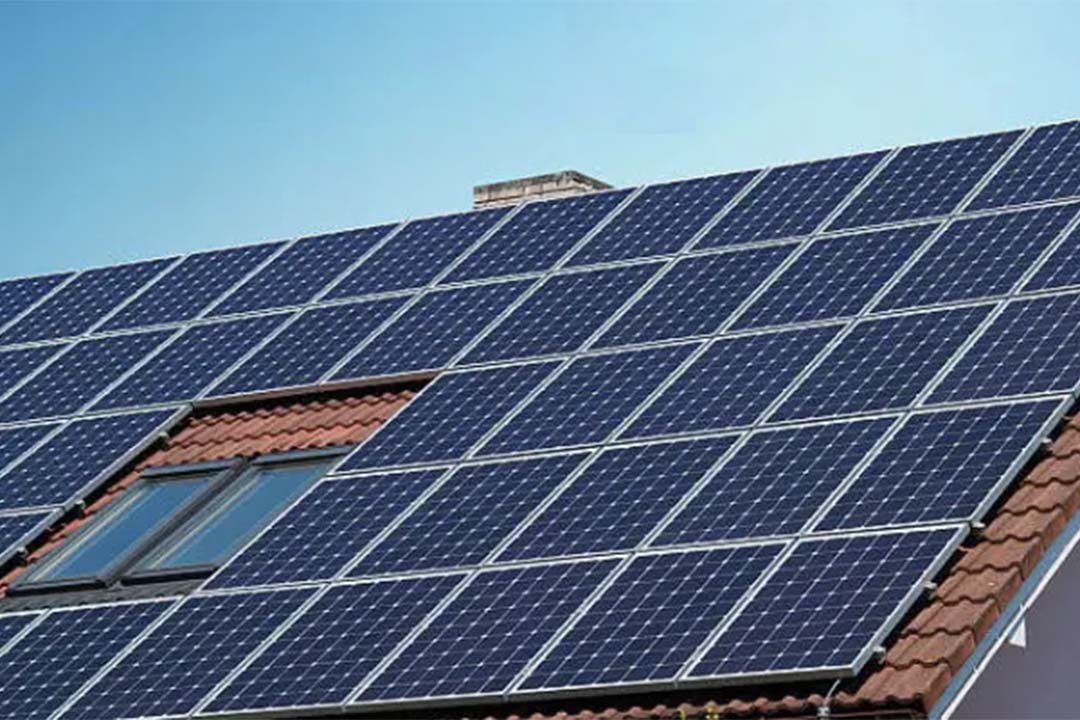
- Panels, inverter(s), racking, wiring: The power plant on your roof or ground.
- Labor and project management: Site work, installation, electrical tie-in, inspections.
- Design, engineering, permits, and interconnection: The paper trail that gets you legal and connected.
- Monitoring and warranties: The tools to verify performance and protect your investment.
A good proposal needs to detail all categories rather than presenting only a combined total.
Incentives that change the math
Homeowners who meet all requirements of the Federal Investment Tax Credit (ITC) program receive a 30% tax credit for qualified project expenses.
Net metering and local rebates vary by utility territory. Your proposal should reflect your exact tariff and interconnection rules, not a generic promise.
A reliable quote should show the initial price, expected ITC values, local program benefits, and your net cost at tax time, which you should confirm with your CPA.
Cash, loan, or something else?
- The lowest lifetime cost and best economics come from purchasing with cash, as it does not affect liquidity.
- Solar loan payment schedules let customers spread expenses while keeping their system and its benefits. Review the APR, all fees in the document, and any prepayment penalties.
- Leasing with PPAs requires minimal initial investment but removes your ability to claim tax benefits and maintain project ownership. This strategy works in some cases but is less effective if you want asset control.
Your decision should compare the total cost of ownership and estimated lifetime cost per kWh, not just the monthly payment.
What does “price” mean over 25 years
Solar panel warranties often exceed their operational span, while inverter warranties range from 10 to 25 years depending on the model. The real question is, “What’s my cost to produce power over the life of the system?” A properly designed array with conservative estimates will generate electricity at lower costs than utility power and protect users from future rate increases.
How Castle Energy quotes your project
When you request pricing at https://castlenrg.com/solar-pricing/, you’ll get a proposal you can hand to a CPA:
- Generates a simulation of your usage patterns, along with roof design, shading elements, and weather conditions for your location.
- The design and equipment schedule includes panel numbers, system arrangement, inverter selection, racking system, attachment details, and a one-line diagram.
- The pricing system shows all costs in separate lines for hardware expenses, labor fees, soft costs, and underlying assumptions.
- The financial model includes four sections: pre- and post-incentive costs, estimated bill changes, simple payback calculations, and utility rate sensitivity analysis.
- The permitting process leads to PTO through steps that begin with permit issuance, followed by inspection completion and utility connection authorization.
- The company should include work quality standards, access tracking, and response performance targets in all written service agreements.
For 2026
The cost of solar electricity for home installation in 2026 depends on site conditions, engineering requirements, and complete coverage of incentives and utility rules in the quote. Castle Energy’s design-first approach, grounded in real numbers, ensures your system is a reliable asset.