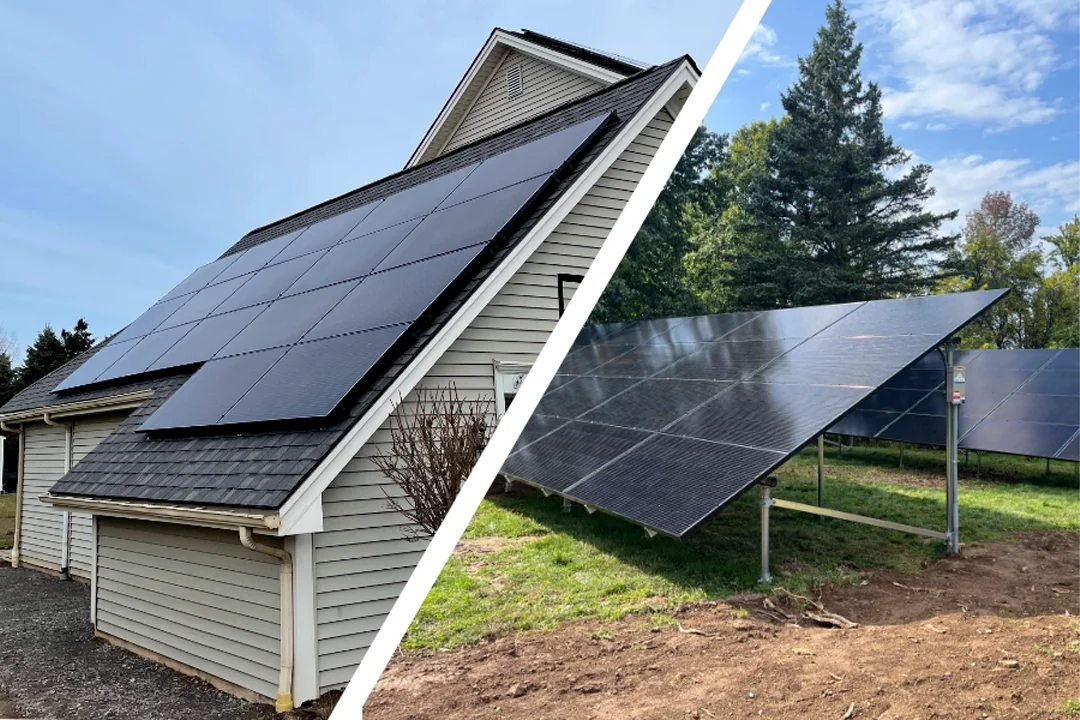
Ohio homeowners going solar usually hit the same fork in the road early: should the panels sit on the roof or on the ground? Both produce clean power and both can pay off, but the right choice depends on your roof, your lot, your shading, and how Ohio weather behaves through the year. Here is how the two options compare.
Roof-Mounted Solar: The Practical Default
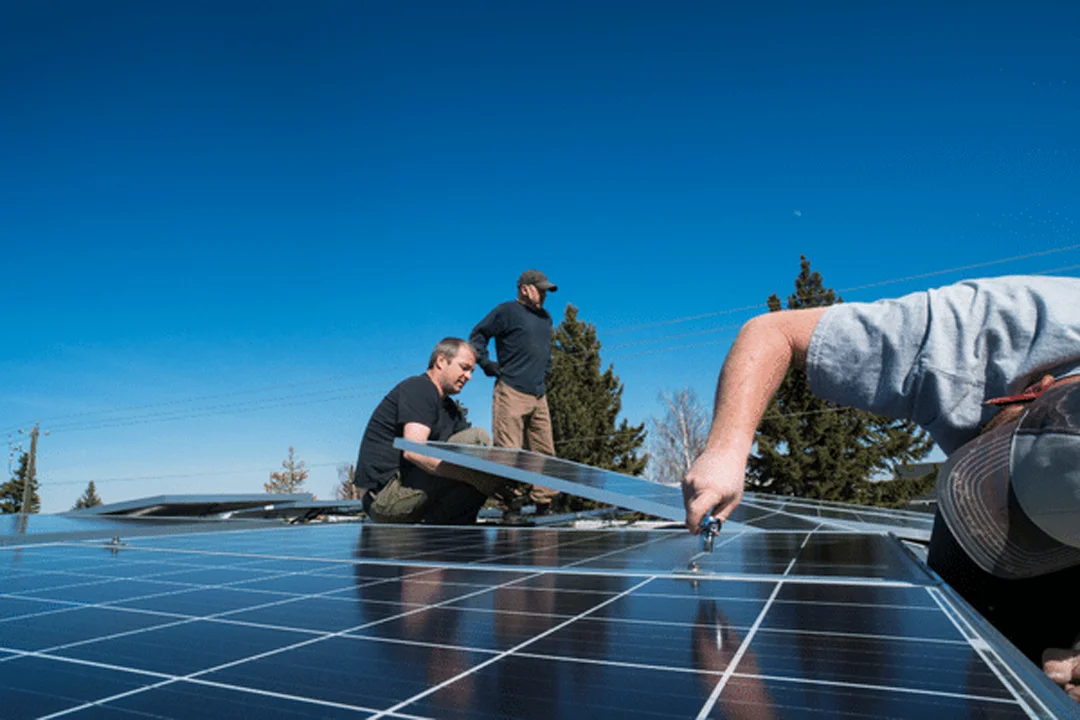
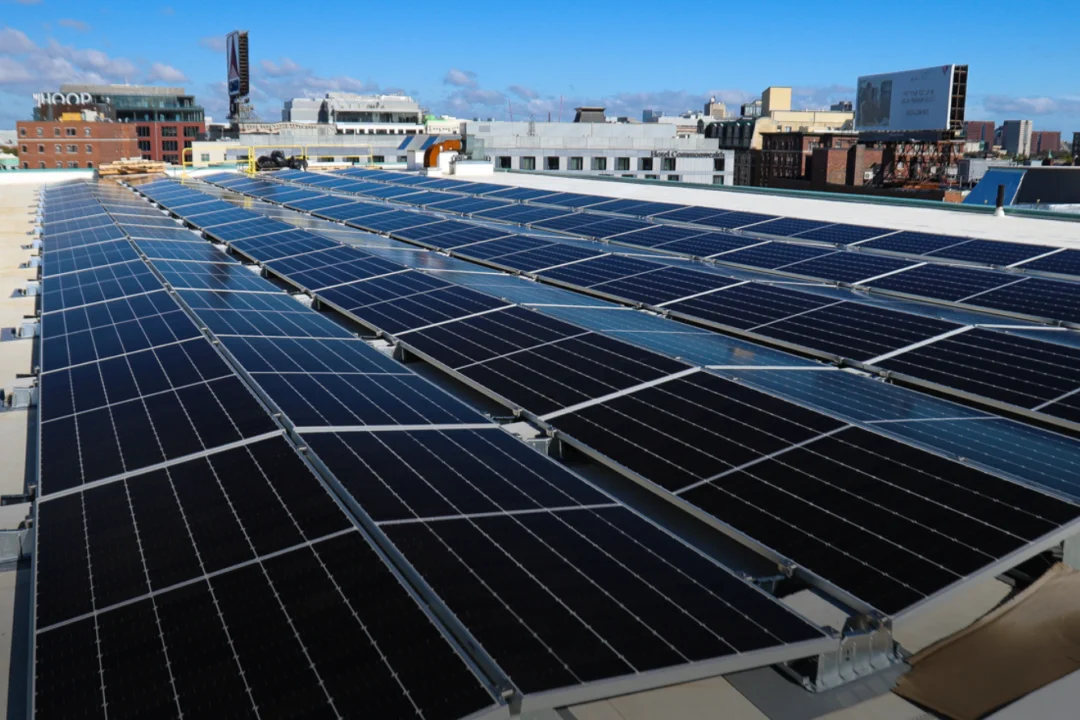
Roof mounting is the most common setup for a reason. It uses space you already own, so there is no separate land to clear and no trenching across the yard. Panels fasten directly to the roof rafters with rails set over them, which integrates the array tightly with the home and makes it a very secure installation. For a typical suburban Ohio home with a sound, south-facing roof, this is often the simplest path to lower bills.
The trade-offs matter, though. Your roof has to be in good shape because removing and reinstalling panels later is an added expense. Roof pitch and direction are fixed, so production depends on whatever angle your home already has. Clearing snow and reaching panels for service is also harder when they sit a story or two up.
Ground-Mounted Solar: Flexible but Land-Hungry
Ground mounts give you control. Because the racking is built on open land, the array can be set at the ideal tilt and aimed for maximum production. This is the better answer when roof space is limited, when shading is a problem, or when you simply want to offset as much power as possible. Maintenance is easier, snow is simpler to clear, and adding panels later is straightforward.
The catch is space and cost. You need open, unshaded land, and a ground system requires an added base layer for stability, plus wiring runs back to the house, which raises the upfront price. Local code and setback rules can add steps as well, so a system is designed to fit them.
What Ohio’s Climate Adds to the Decision
Ohio winters bring snow and a low sun angle, both of which affect output. Ground-mounted arrays set at a steeper tilt shed snow faster and recover production sooner after a storm. Roof systems usually clear on their own as temperatures rise, though it can take longer. Ohio also sees plenty of cloudy days, so capturing the most from available sunlight is worth planning for, which again favors the optimized angles a ground mount allows. For most homes with healthy roofs and decent sun exposure, a roof array still performs well across the seasons.
How to Decide
Run through a short checklist. How old is your roof, and is it structurally sound? Do you have open, unshaded land to spare? Is anything shading the roof during peak hours? What is your budget, and do you expect to expand the system later? If your roof is newer and well-oriented, the rooftop is usually the efficient pick. If you have land, shading issues, or expansion plans, ground mounting earns its higher cost.
The cleanest way to settle it is a site assessment. A qualified residential solar system installer can evaluate your roof condition, lot, shading, and energy use, then estimate production and savings for both options so you can choose based on numbers rather than guesswork. That single visit usually answers the roof-versus-ground question for good.