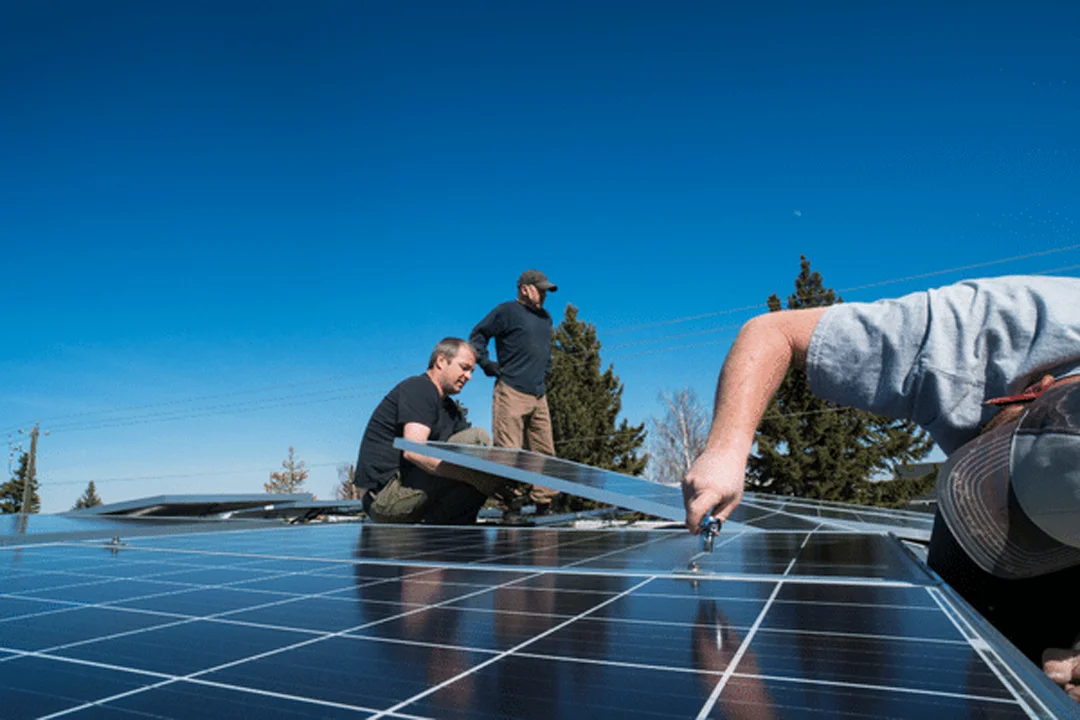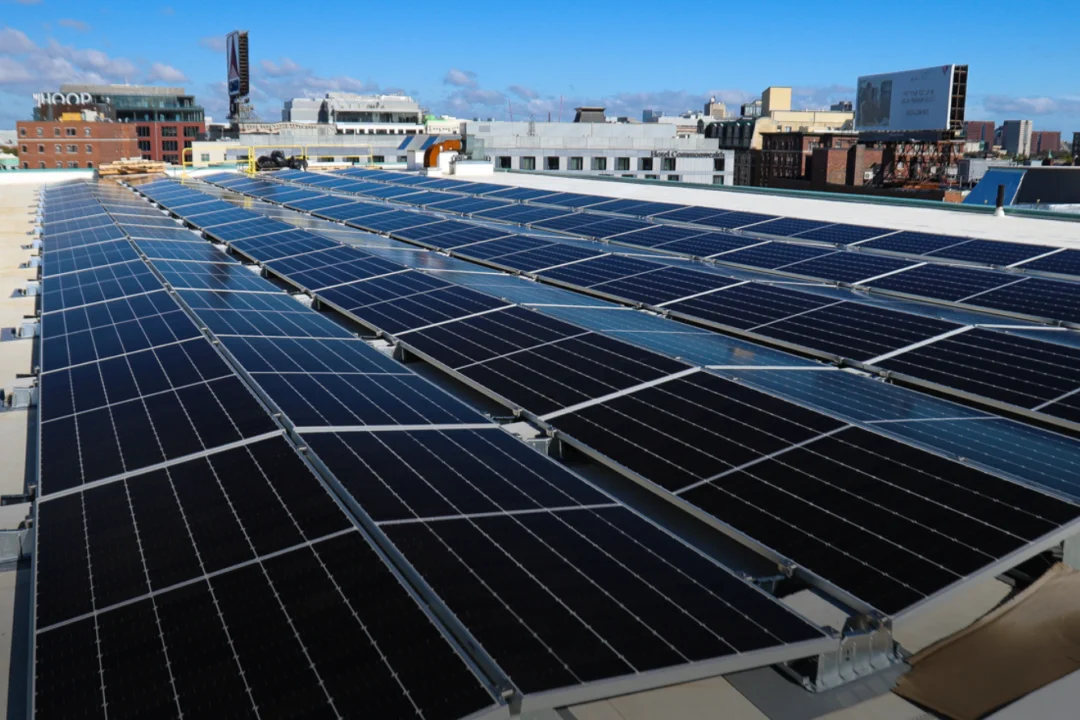
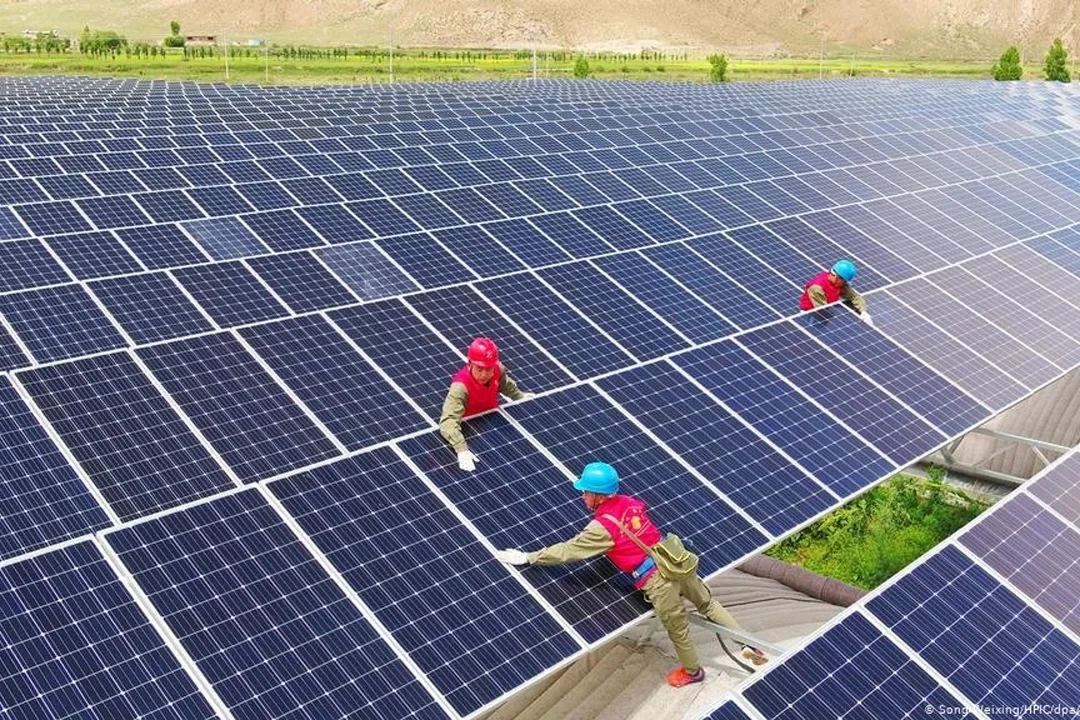
No two organizations use power the same way, which is why commercial solar panel installations are rarely built from a single template. A city water plant, a school district, a place of worship, and an auto dealership each have different roofs, budgets, energy schedules, and goals. A system sized for one would underperform for another. Here is how good design adapts to the industry it serves.
Why Industry Shapes the System
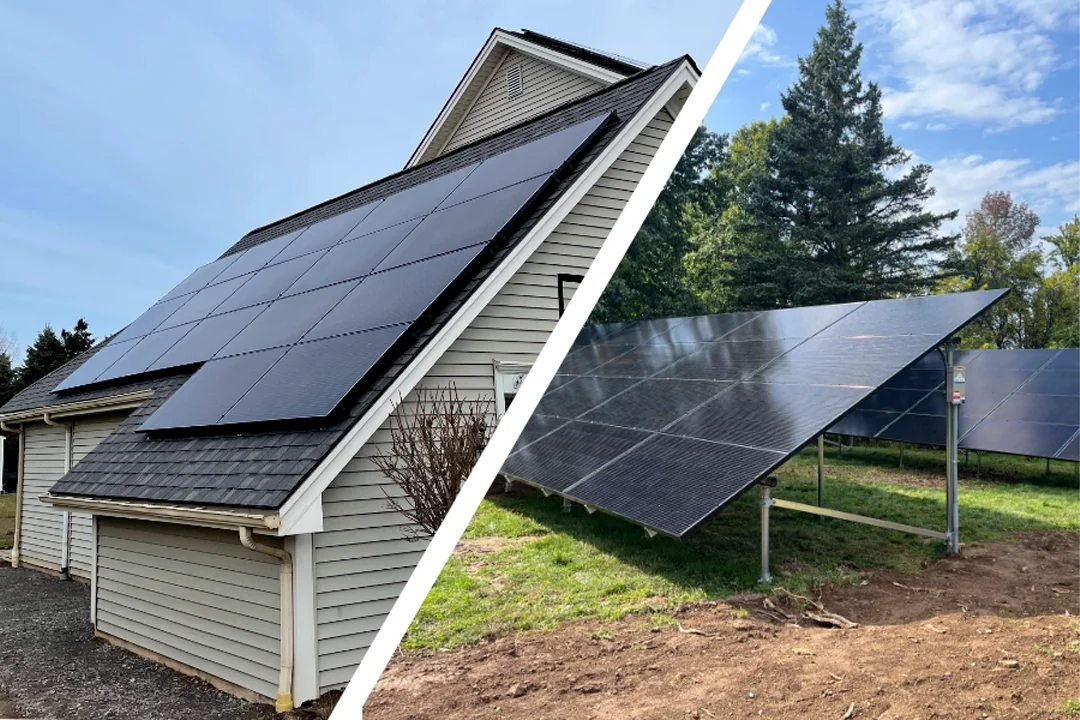
A handful of factors drive every design, and they shift from sector to sector. Energy load profiles differ: some facilities draw steady power through the workday while others run around the clock. Roof type and available space vary, from large flat membranes to older buildings with limited or obstructed rooftops, where a ground-mounted array makes more sense. Operating budgets, financing rules, and sustainability commitments also pull the design in different directions. Matching the system to those realities is what turns solar into a dependable return rather than a sunk cost.
Examples Across Sectors
Local governments often manage aging facilities on tight budgets, so solar offers a financially and socially responsible way to power operations while cutting long-term costs. Water management sites consume significant energy to move and treat water, and a well-sized system lowers operating costs while reducing reliance on the grid.
Educational institutions can redirect money saved on electricity toward staff, programs, and student facilities, while signaling a real commitment to sustainability that resonates with families. Nonprofit and religious organizations gain budget stability by replacing fluctuating utility bills with predictable energy costs, freeing funds for their core missions. Automotive businesses, facing a shift toward electric inventory, use solar to power operations, support charging, and meet the expectations of environmentally minded customers.
The Customization Process
Turning these differences into a working system follows a clear sequence. It begins with a free consultation and site assessment that reviews roof structure, available land, shading, and electrical service. Next is a load analysis of how and when the organization actually uses power, drawn from utility bills. From there, designers size the array, decide between roof- or ground-mounting, and select equipment suited to the load.
Financing is built into the plan, not bolted on afterward. Purchase, loan, and lease options change the math, and incentives such as the commercial solar tax credit can shift what makes sense for a given budget. Engineering, structural review, utility approval, and permitting complete the groundwork before installation begins.
Getting It Right for Your Organization
The point is straightforward: the best system is the one built around how your operation runs, not a generic package set on your roof. A municipality, a school, and a dealership should each end up with something different because their energy needs are different. Working through a structured process with a turnkey team that handles commercial solar panel installations keeps the assessment, load analysis, and financing aligned with your goals from day one. That groundwork is what makes commercial solar a sound investment rather than a guess.