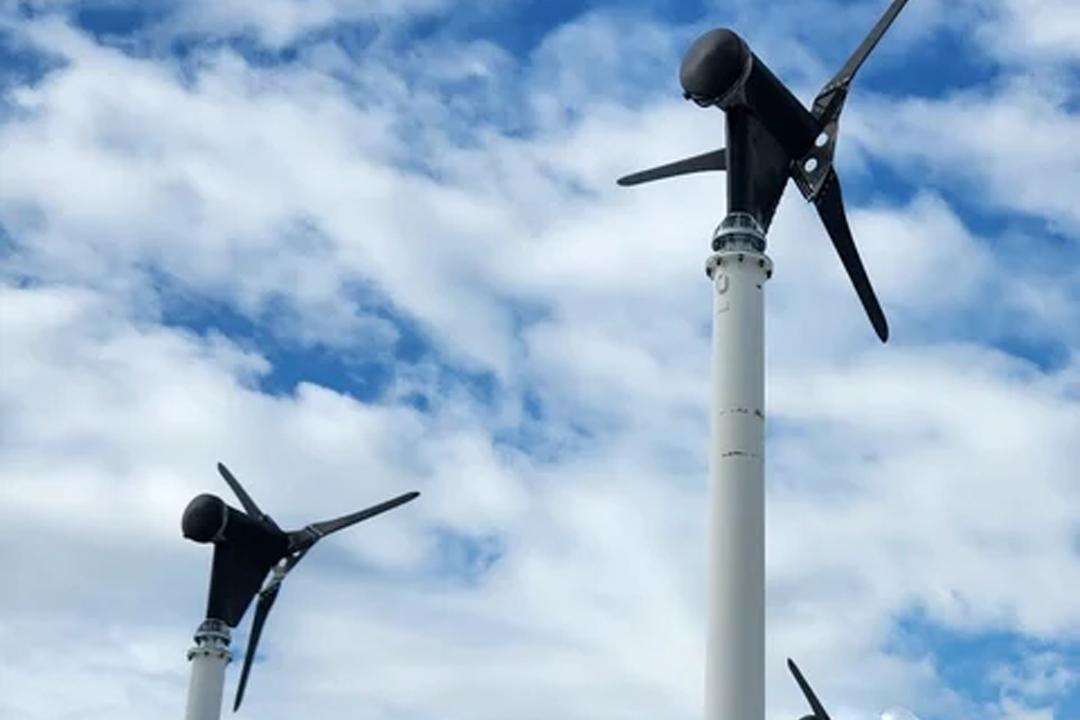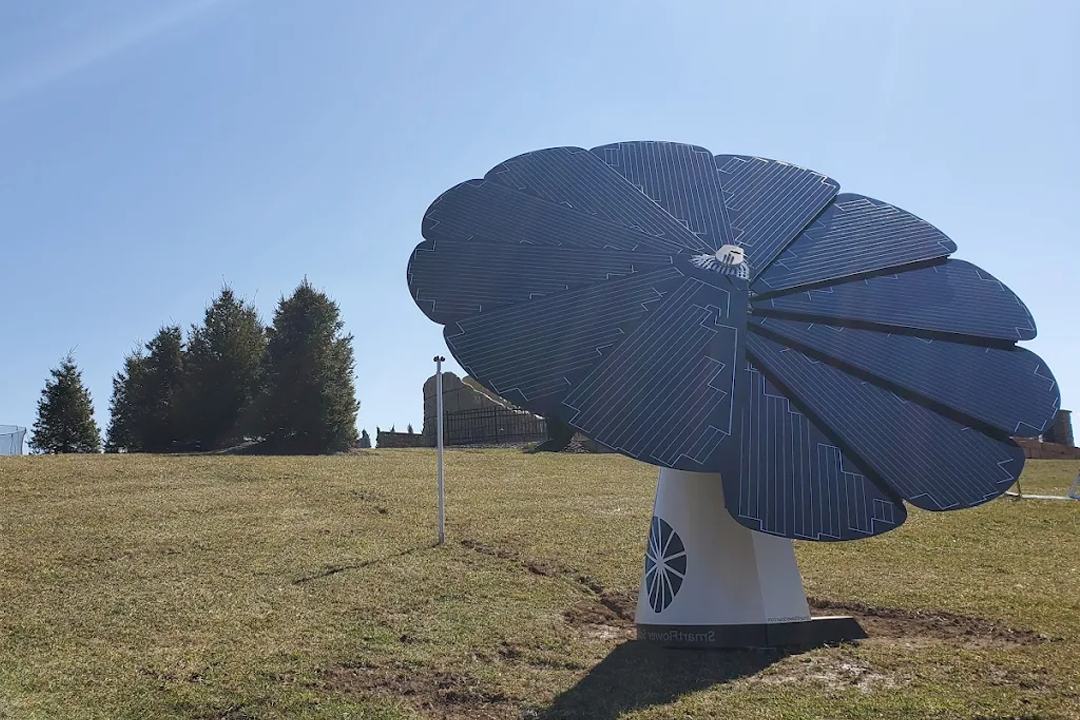
Ohio’s climate includes high winds, lake-effect snow, hail, freezing temperatures, and occasional severe storms. Any solar installation in the state must be evaluated against those conditions. For homeowners considering a SmartFlower system, the relevant question is how it performs structurally and electrically during adverse weather.
Wind Response and Automatic Stow Function
The SmartFlower system includes an integrated wind-monitoring control system. According to manufacturer specifications, the unit automatically moves into a protective position when wind speeds reach approximately 30 mph and transitions to a more secure stow position around 40 mph. Once wind speeds return to acceptable levels, the system resumes operation.
This type of active wind response differs from fixed rooftop systems, which rely on static racking and attachment engineering rather than mechanical repositioning.
Operating Temperature and Environmental Protection
Ohio experiences sub-freezing winter temperatures and hot, humid summers. Published specifications indicate that SmartFlower systems are rated for a wide operating temperature range consistent with typical Midwest conditions, depending on model configuration and inverter selection.
As with any outdoor electrical system, enclosure ratings, sealing methods, and corrosion resistance are critical factors in long-term durability.
Post-Storm Recovery
Beyond structural survival, recovery time after storms affects annual production. The SmartFlower system is designed to automatically redeploy once conditions normalize. Its tracking cycle may assist in shedding snow and debris during operation, potentially reducing downtime compared to systems that remain fixed in place.
However, performance after extreme events should always be evaluated on a site-specific basis, particularly following hail or high-wind events.
Why These Factors Matter in Ohio
Historical weather data shows that Ohio regularly experiences damaging winds and winter storms. Systems that can reduce wind loading, limit debris accumulation, and protect internal components may experience fewer service interruptions.
That said, durability ultimately depends on correct installation, site preparation, and ongoing maintenance.
Installation Considerations for Ohio Sites
Before installation, several engineering and compliance factors should be addressed:
Anchoring and foundation design
Footings must extend below the local frost line and be engineered based on soil bearing capacity. Foundation design should account for wind exposure and uplift forces.
Siting and wind exposure
Placement should avoid wind tunnel effects between buildings and remain outside potential tree-fall zones. Adequate solar access throughout the year must also be confirmed.
Snow and drainage planning
Although the system can stow automatically, surrounding areas should be managed to prevent snow drift buildup, obstructed movement, or refreezing runoff that creates ice hazards.
Lightning and surge protection
Bonding and grounding must comply with the National Electrical Code (NEC). Surge protection devices and grounding methods should be documented on the one-line diagram.
Utility interconnection and code compliance
The inverter and interconnection equipment should meet applicable UL and IEEE standards, as well as local utility requirements. Commissioning and inspection records should be retained.
Maintenance Requirements
Because the SmartFlower system includes moving components and a dual-axis tracking mechanism, scheduled maintenance is necessary.
A basic maintenance plan should include:
- Visual inspection after major wind or hail events
- Seasonal firmware and monitoring checks with alert settings
- Vegetation management around the unit
- Annual inspection of fasteners, structural components, and enclosure seals
Tracking systems introduce mechanical complexity that requires periodic service to maintain long-term reliability.
Comparison With Rooftop Solar in Severe Weather
Wind management
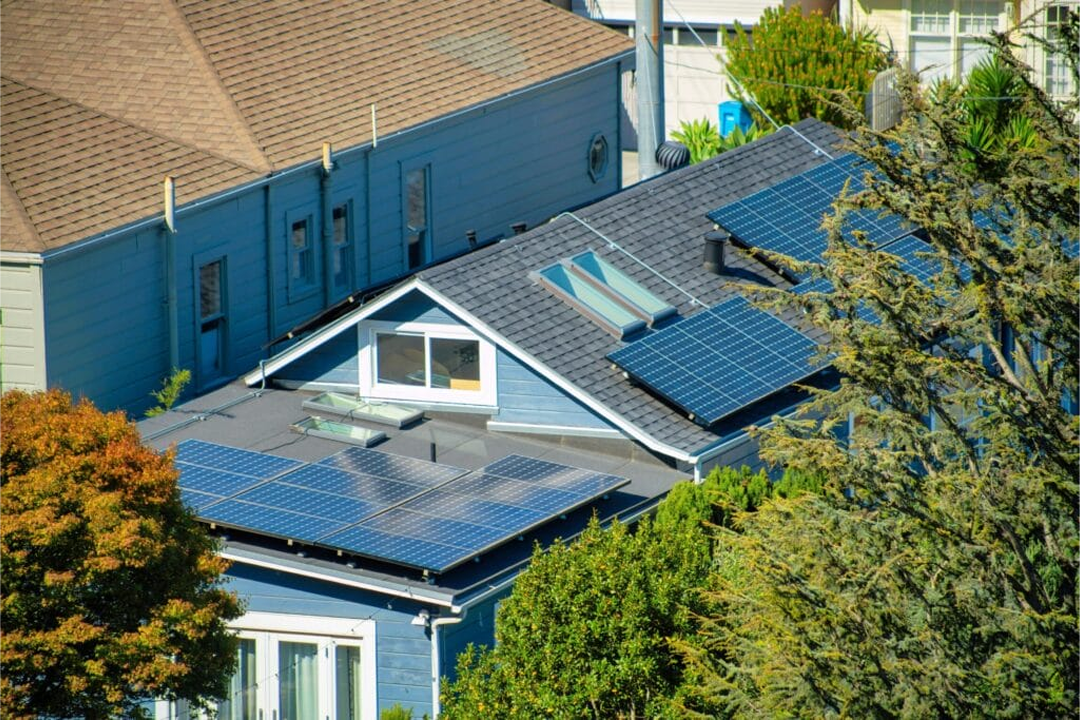
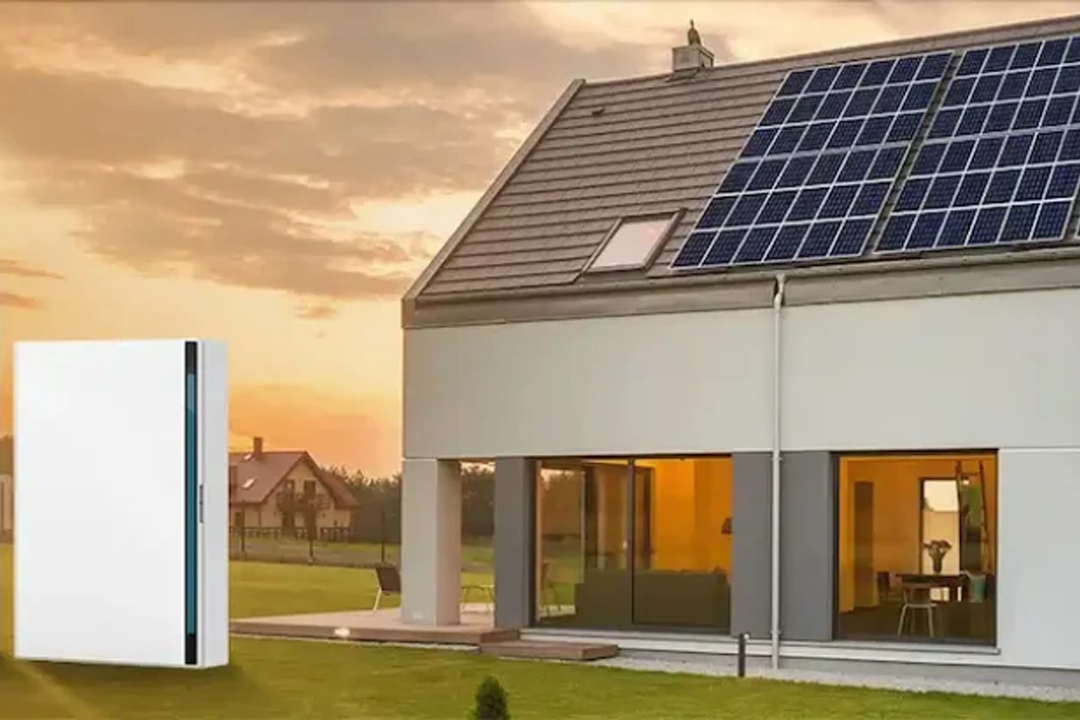
SmartFlower uses an active stow mechanism to reduce wind exposure. Rooftop arrays rely on engineered racking and roof attachments designed to meet local wind load requirements.
Snow management
Ground-level access may simplify inspection and clearing if needed. Rooftop systems typically depend on natural snow melt and tilt angle for recovery.
Service access
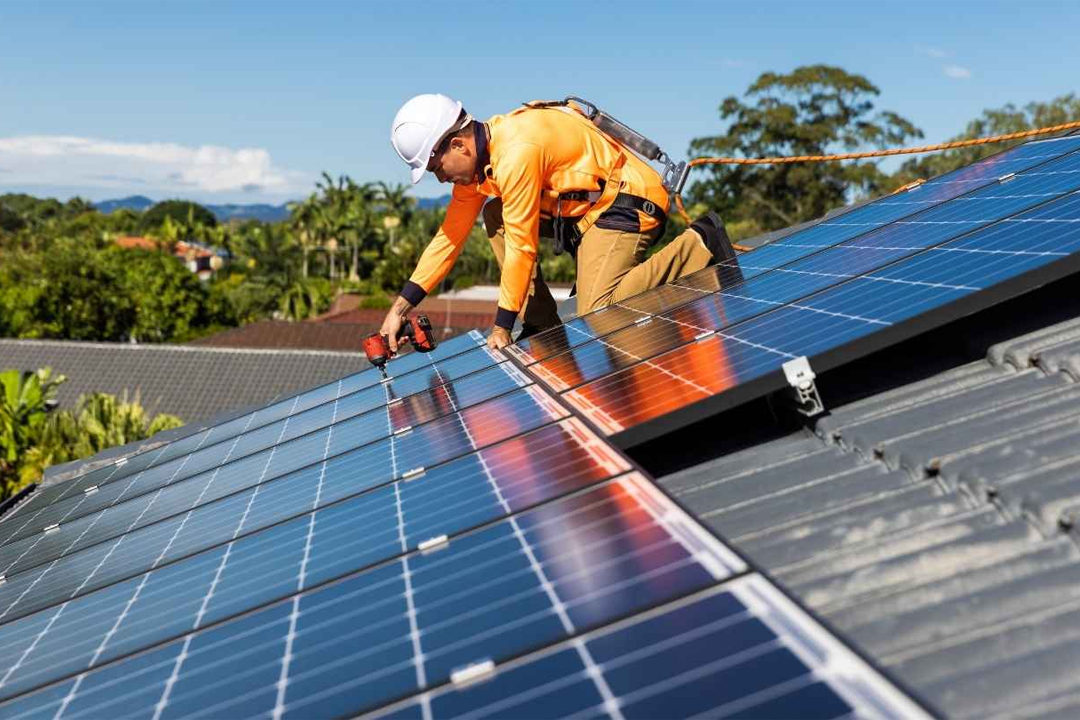
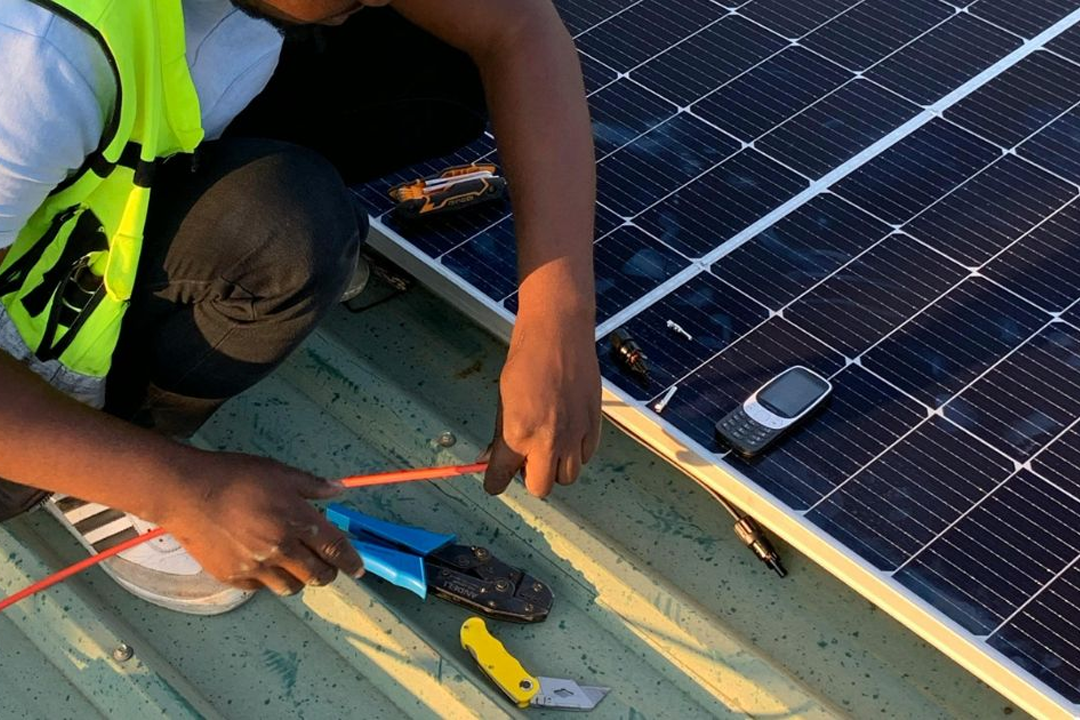
Ground-mounted systems can be easier and safer to access for maintenance. Rooftop systems require roof access and penetrations but do not require separate foundation work.
A freestanding installation avoids roof penetrations but introduces foundation and setback considerations that must comply with local building codes.
When evaluating a SmartFlower system in Ohio, decisions should be based on structural engineering, site conditions, code compliance, and long-term maintenance planning rather than on feature descriptions alone.